WRWC Presents at the 2026 Rhode Island Flood Mitigation Association Annual Conference
This spring, the Woonasquatucket River Watershed Council (WRWC) was proud to participate as both members and presenters at the 2026 Annual Conference of the Rhode Island Flood Mitigation Association (RIFMA), held at the University of Rhode Island’s Center for Biotechnology and Life Sciences. The conference brought together floodplain managers, engineers, watershed organizations, government agencies, planners, and environmental professionals from across the region to discuss innovative approaches to climate resilience and flood mitigation under the theme “Planning for the Next High Water: Collaboration for Flood Solutions.”
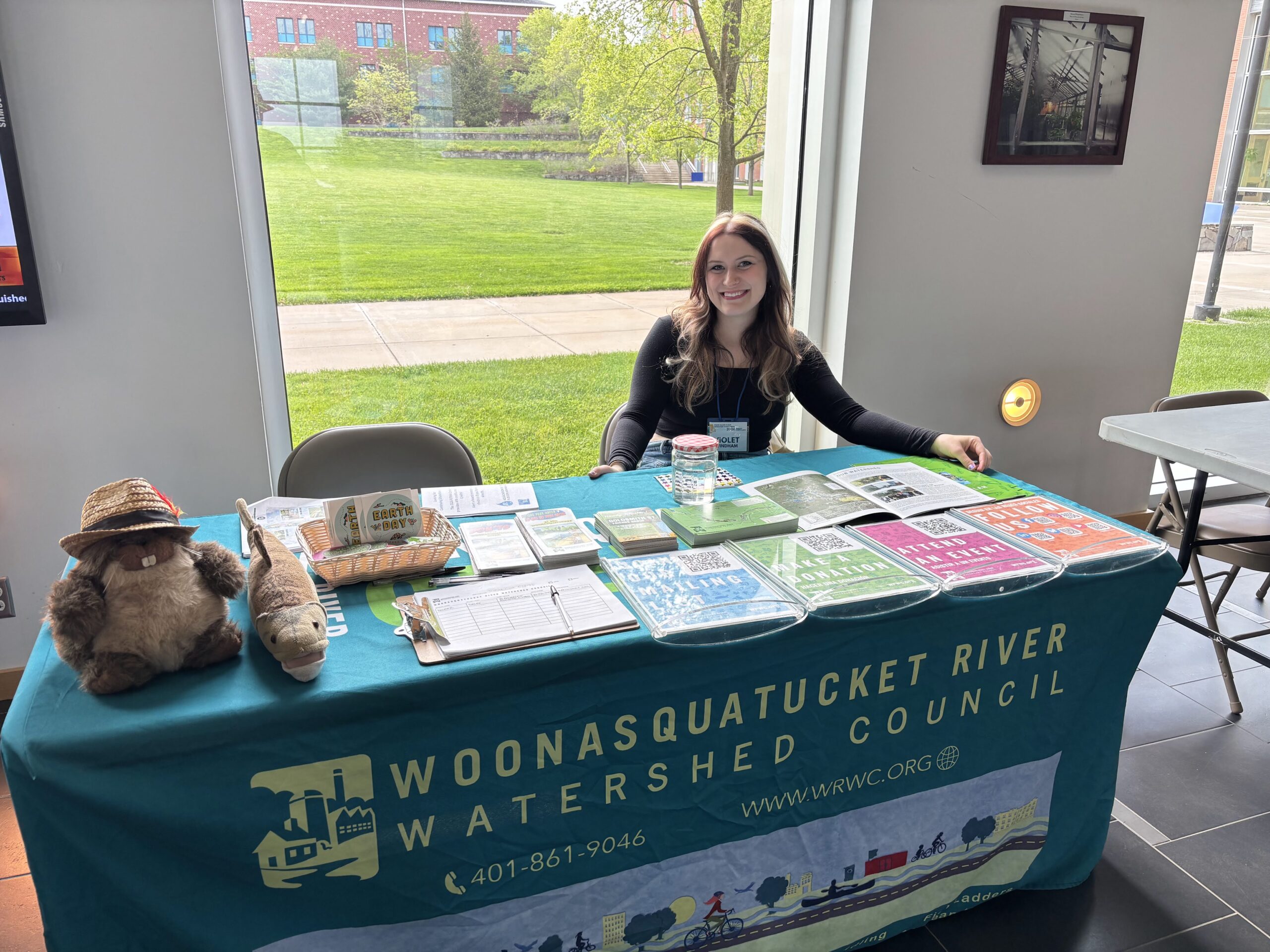
Founded in 2006, RIFMA serves as a statewide network focused on improving floodplain management through collaboration, technical exchange, and education. The organization brings together a diverse range of partners — including municipal officials, engineers, state agencies, FEMA representatives, watershed organizations, and land trusts — to strengthen Rhode Island’s preparedness for increasingly frequent and severe flooding events.
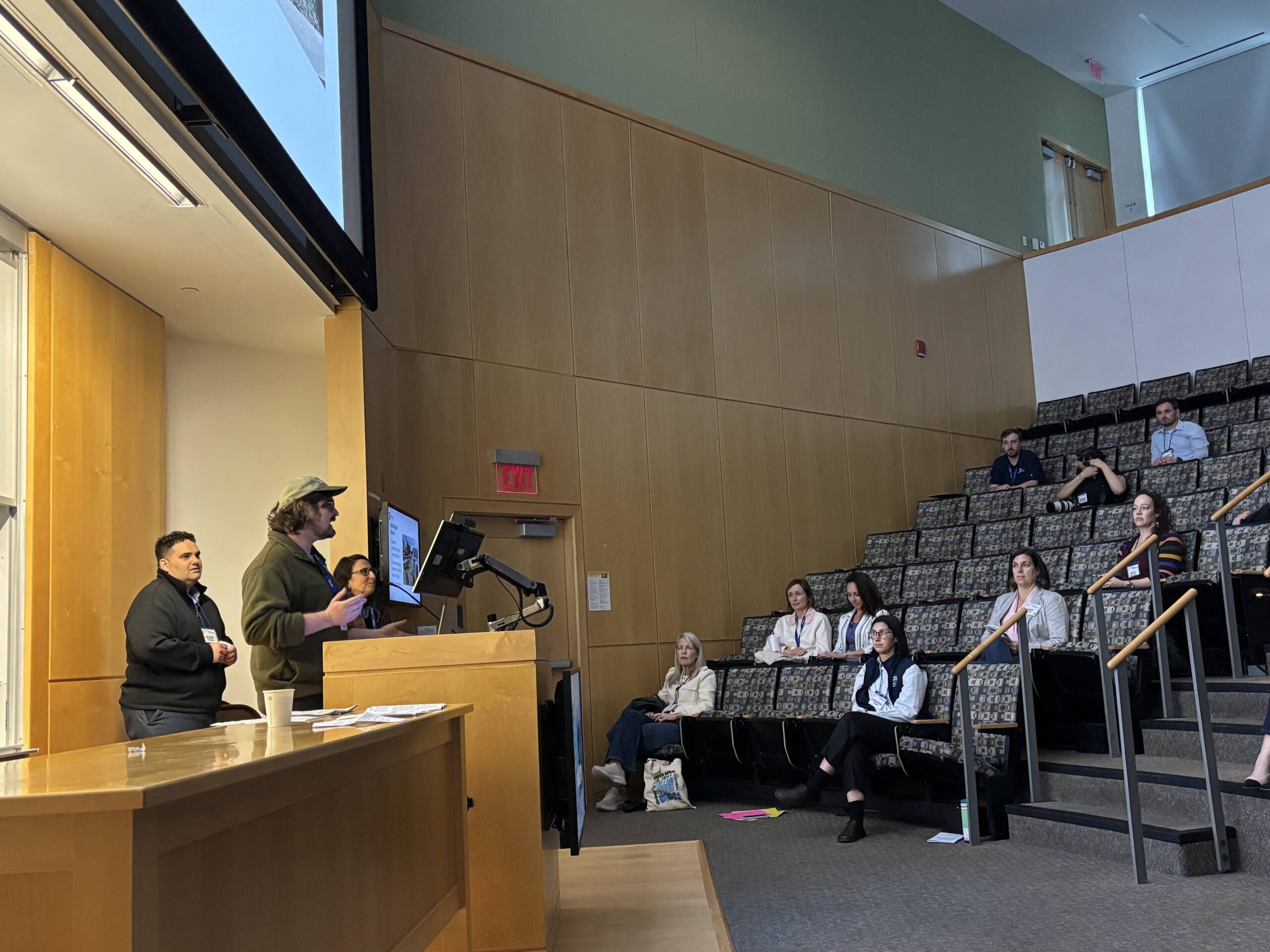
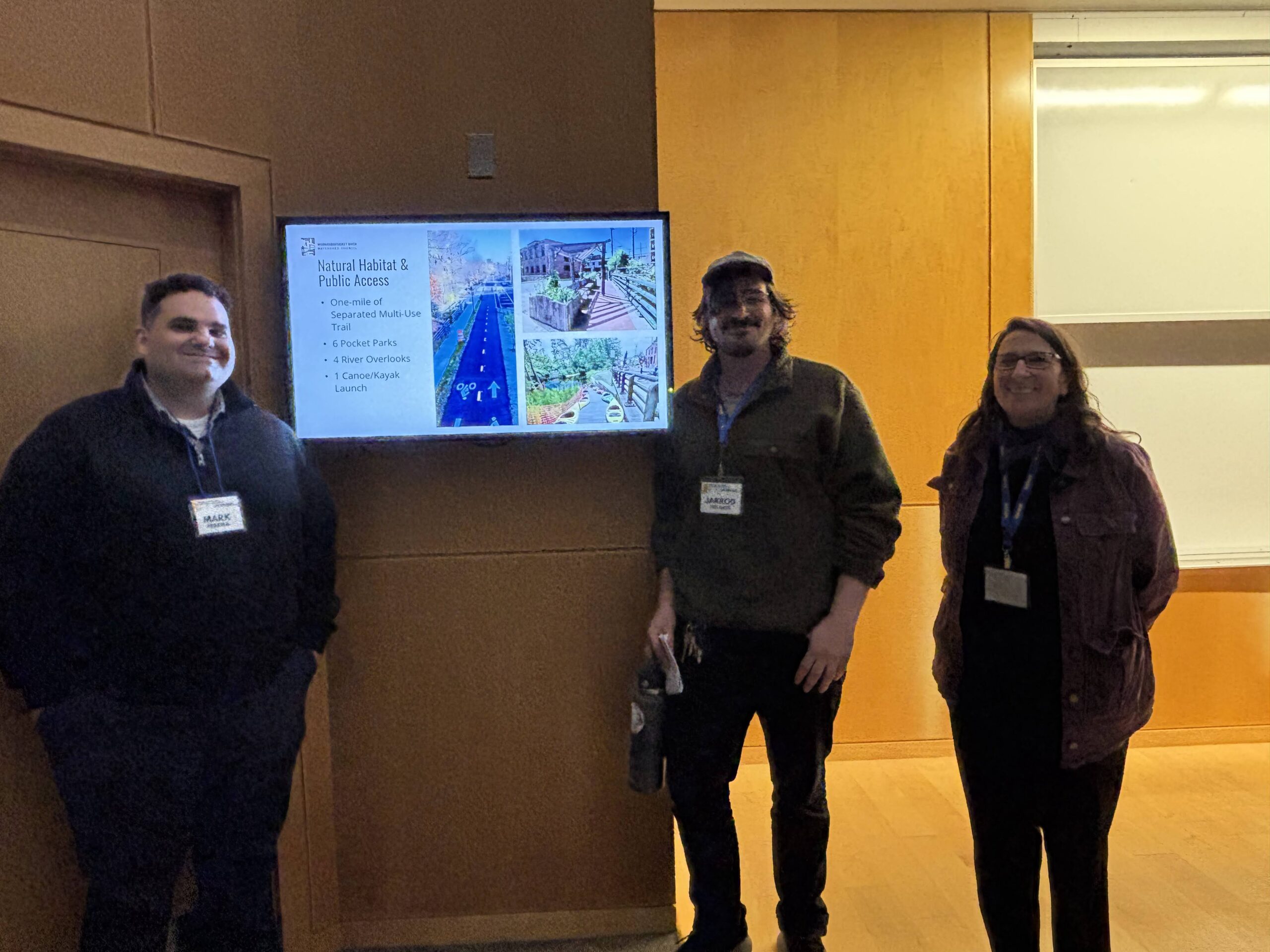
As part of the conference program, WRWC Executive Director Alicia Lehrer joined Mark Pereira, PE, and Jarrod Holgate to present “Intersection at the Intersection: The Promenade Kinsley Greenway.” The presentation highlighted the transformative Kinsley Avenue & Promenade Street Greenway Project, a major investment in climate resilience, recreation, and green infrastructure along the Woonasquatucket River corridor.
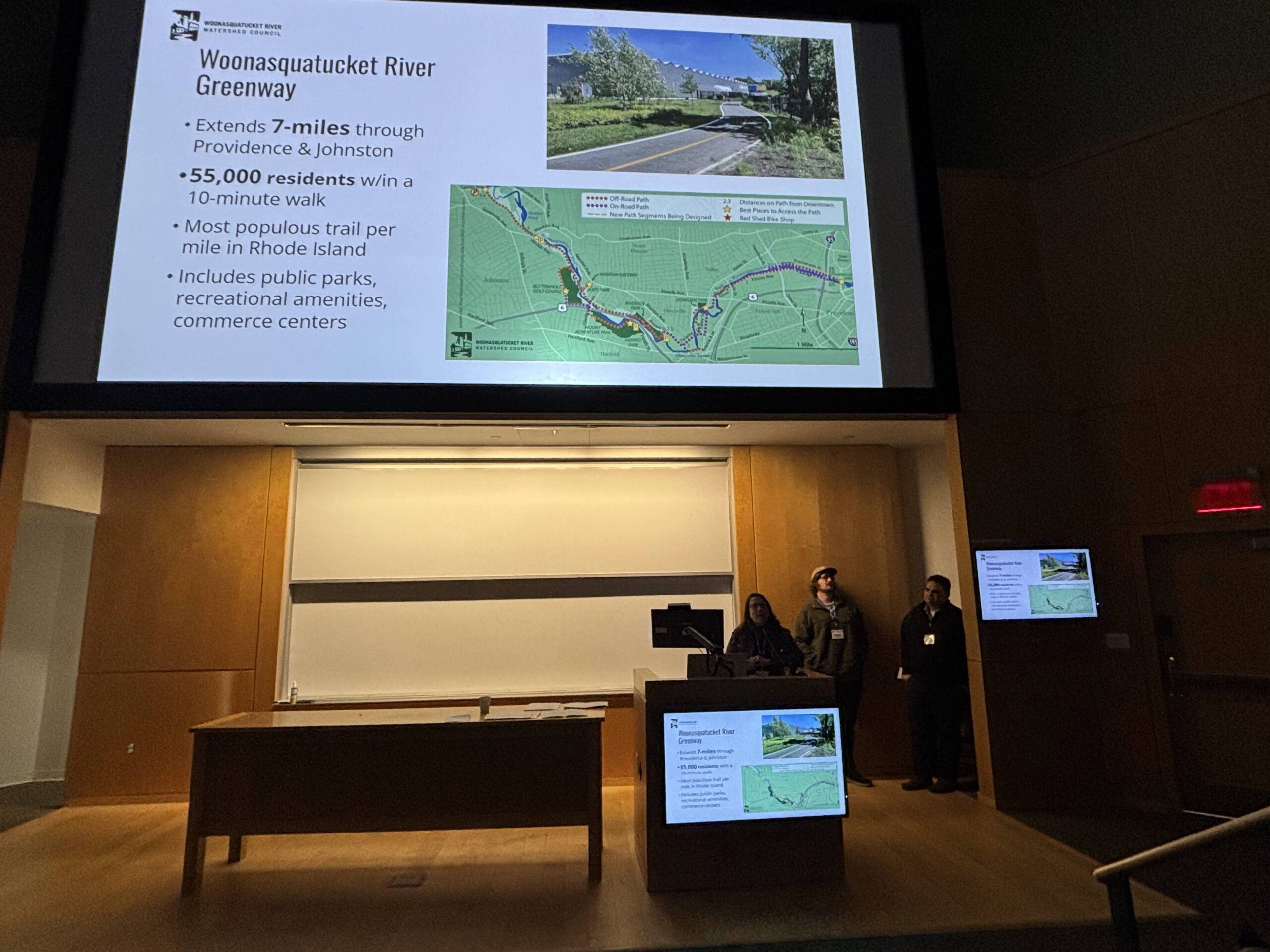
While the project creates a much-needed separated multi-use trail connecting Olneyville to Downtown Providence, the Greenway represents far more than a transportation improvement. The project includes new public park spaces, accessible river launches for canoes and kayaks, extensive landscaping, and nature-based stormwater infrastructure designed to improve water quality and reduce flooding impacts in one of Providence’s most flood-prone areas.
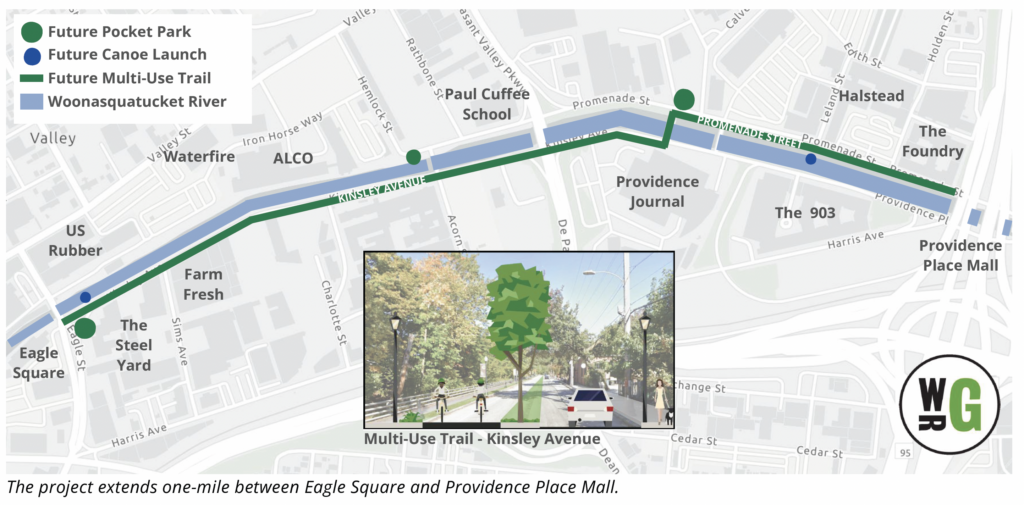
Conference attendees learned about Providence’s first floodable park space, integrated silva cell systems for stormwater management, and the collaborative process behind the more than $12 million investment. The project leveraged federal, state, and local funding while bringing together dozens of partners to create a model for future riverfront resilience projects.
The presentation emphasized how greenway projects can serve multiple community needs at once — supporting active transportation, environmental education, economic development, recreation, public art, and climate adaptation simultaneously. By reconnecting residents to the Woonasquatucket River while addressing stormwater and flood challenges, the Greenway demonstrates how urban infrastructure can become both functional and community-centered.
The Kinsley Avenue & Promenade Street Greenway Project continues WRWC’s broader mission of transforming the Woonasquatucket River corridor into a healthier, more accessible, and more resilient public space for all. With pocket parks, improved river access, safer bicycle and pedestrian connections, and green infrastructure that captures and treats stormwater runoff, the project represents a new vision for urban river restoration in Rhode Island.
WRWC was honored to contribute to this year’s conference and to share lessons learned from a project that reflects the importance of collaboration in addressing climate resilience and flood mitigation challenges across our communities.