5th Nuevas Voces Final Project Presentations: Turning Advocacy into Action in Providence
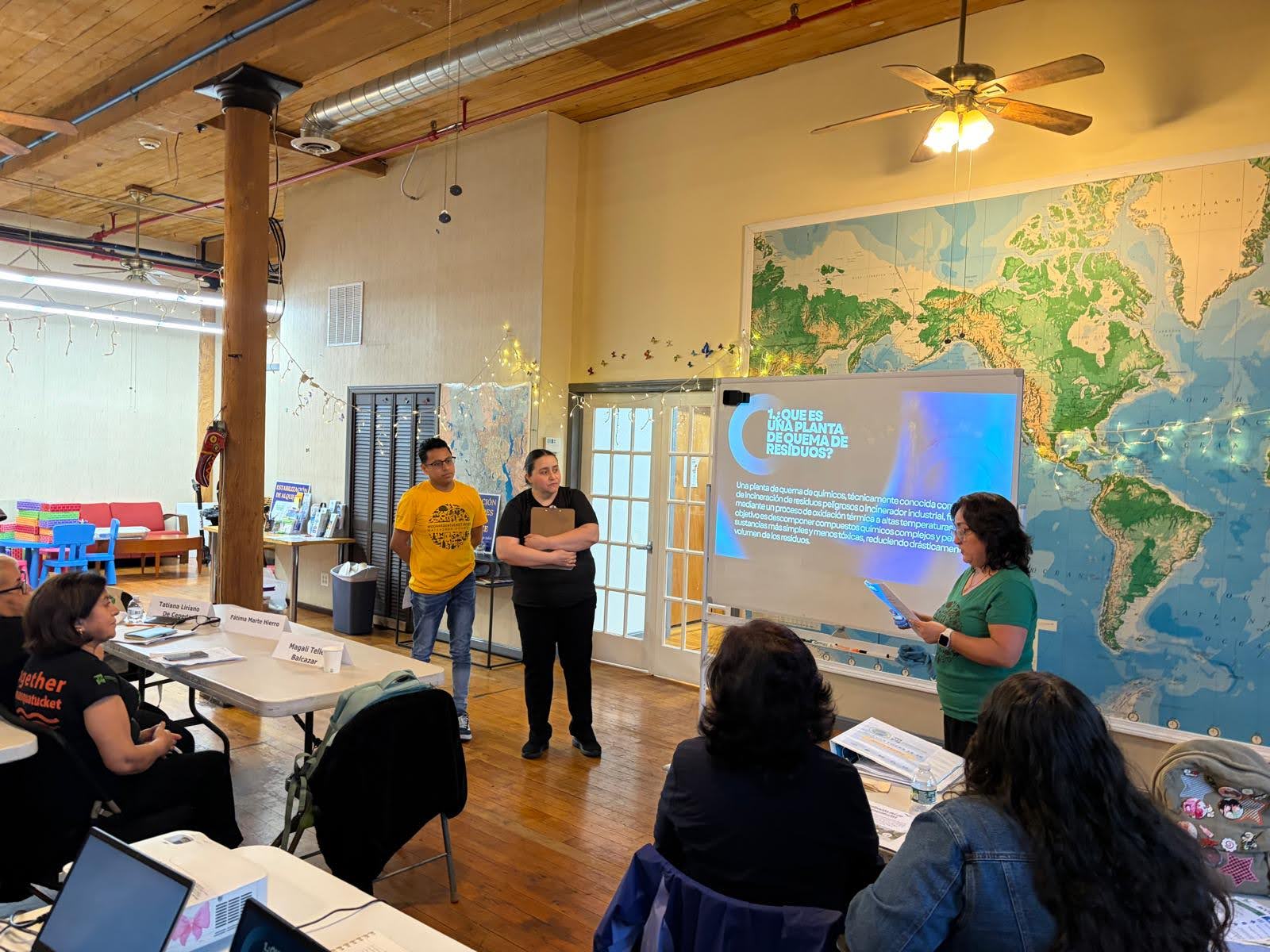
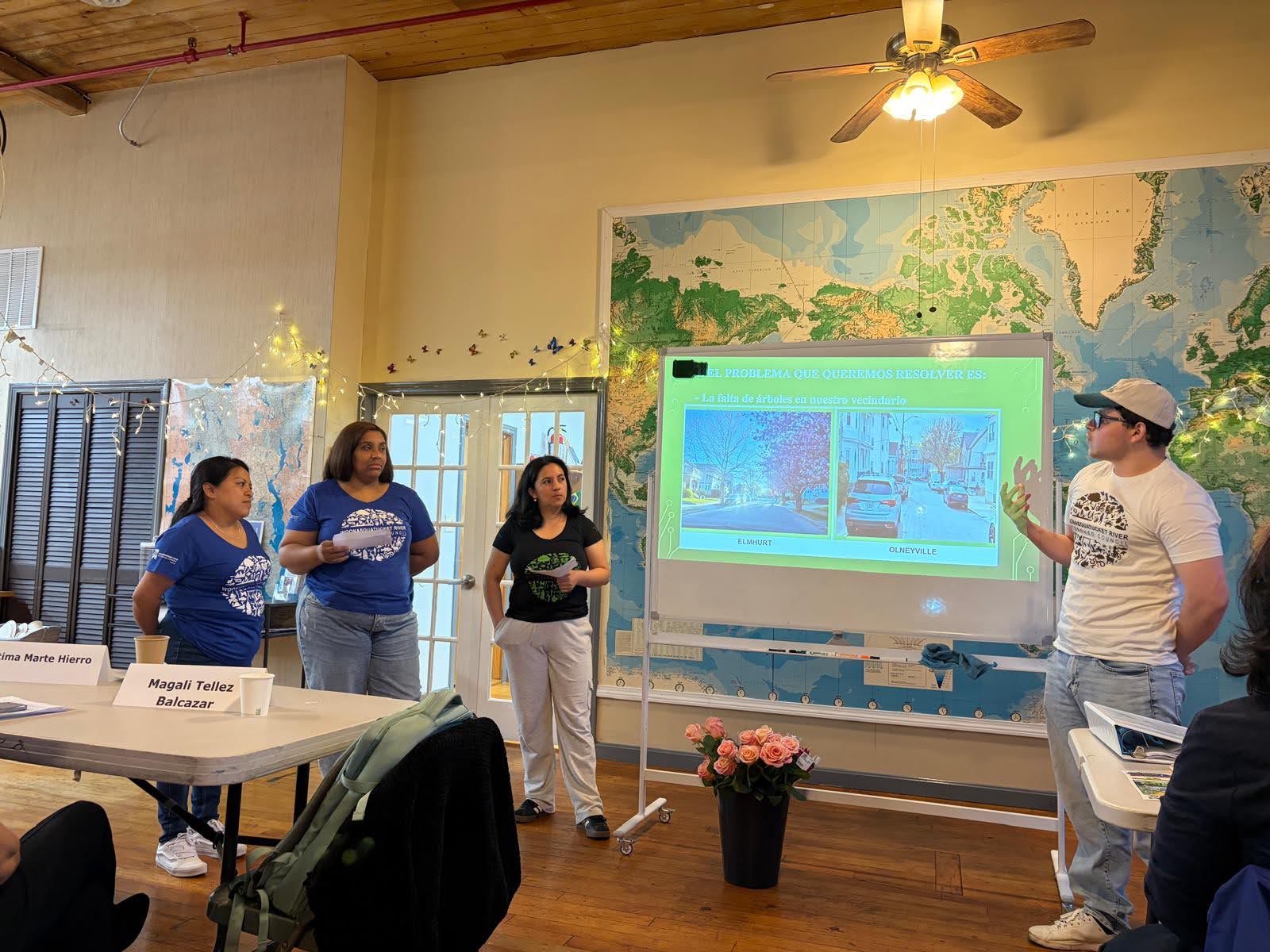
This month, participants in the Nuevas Voces program shared the culmination of nine months of learning, fieldwork, and community action through their final project presentations. Each group was asked to respond to a real-world scenario affecting their neighborhoods—and to design a clear, actionable advocacy strategy grounded in environmental science, local policy, and most importantly in their own words!
The result was a series of thoughtful, creative, and deeply practical presentations that reflected not only what participants learned, but how they are prepared to step into leadership roles across Providence.
About Nuevas Voces
Nuevas Voces (Spanish for “New Voices”) is a 10-month bilingual environmental justice and leadership program focused on empowering Providence residents to become local advocates and decision-makers in their communities.
Through a combination of classroom learning, guest speakers, and hands-on site visits, participants explore topics including:
- Public health and environmental justice
- Flooding and stormwater infrastructure
- Transportation and urban planning
- Toxic exposures and wastewater systems
- Local and state government processes
- Community organizing and civic engagement
Sessions are co-facilitated by alumni leaders María José Gutiérrez and Sayda Arriaza, and are designed to be accessible—offering stipends, childcare, free meals, and bilingual instruction to reduce barriers to participation.
Since 2020, more than 80 residents have graduated from Nuevas Voces, many of whom now actively shape community initiatives, serve on advisory boards, and participate in local governance efforts across Providence.
The Final Project: Advocacy in Action
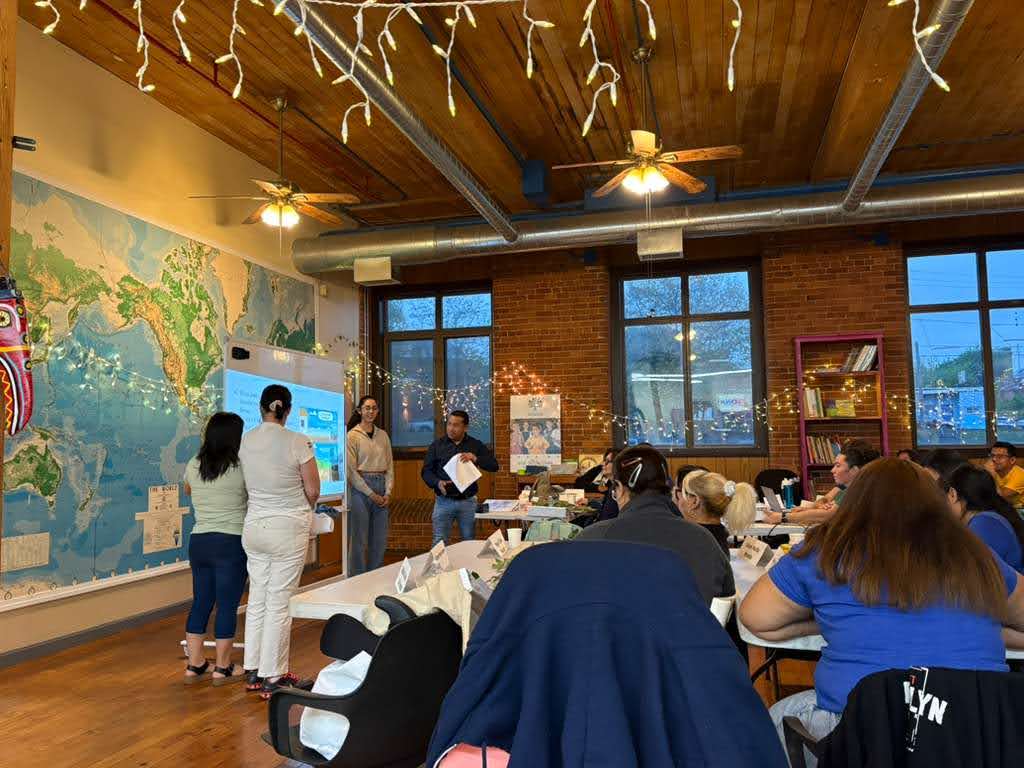
For their final presentations, participants were divided into small groups and assigned real-life civic and environmental scenarios. Each group was tasked with answering a central question:
How would you advocate for change in your community?
Rather than hypothetical exercises, these were grounded in actual issues facing Providence neighborhoods today.
Real-World Scenarios, Local Solutions
Environmental Justice & Infrastructure
Several groups focused on environmental infrastructure challenges, including:
- What would you do if a power plant were proposed in your neighborhood?
- How would you respond to chronic flooding in low-lying areas?
- How can residents advocate for stronger stormwater management systems?
Participants developed advocacy strategies that included community organizing, public comment testimony, and engagement with city agencies responsible for permitting and environmental review.
A recurring theme was the importance of elevating community health concerns: air quality, water quality, and long-term climate resilience.
Parks, Public Space, and Climate Resilience
Another set of projects focused on the future of local parks and green spaces. One scenario asked participants to imagine a neighborhood park being rezoned for use as a parking lot.
In response, groups:
- Researched existing park amenities and usage
- Identified community needs and equity concerns
- Developed arguments for preserving green space
- Proposed enhancements such as tree planting, habitat restoration, and stormwater improvements
Participants emphasized that parks are not just recreational spaces but are essential climate infrastructure. Their presentations highlighted how green spaces:
- Absorb stormwater and reduce flooding
- Lower urban heat through tree canopy coverage
- Improve air quality and public health
- Strengthen neighborhood connection and wellbeing
One group connected their recommendations to potential funding sources and local decision-makers, including engagement with Providence City Council leadership, demonstrating how policy advocacy can be paired with on-the-ground environmental planning.
The Woonasquatucket River: A Living Civic Issue
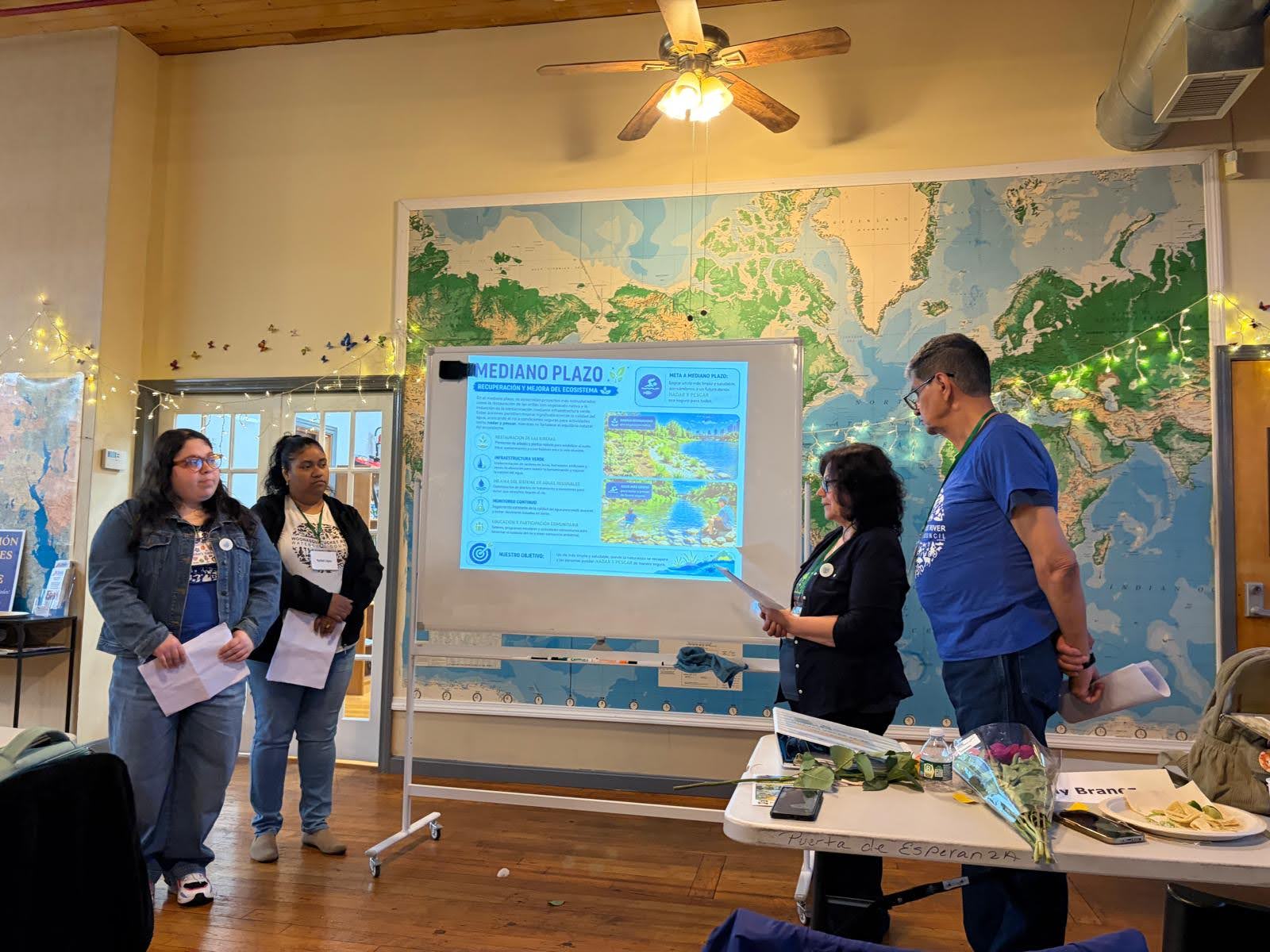
A particularly strong set of presentations focused on the Woonasquatucket River itself, exploring what it would take to further advance restoration efforts and long-term river health.
Participants explored advocacy strategies for:
- Expanding river restoration funding
- Supporting tree planting along the watershed
- Improving public awareness about soil and water safety
- Promoting EPA-supported habitat restoration initiatives
- Working toward a vision of a swimmable and fishable river
These presentations reflected a clear understanding that river restoration is not only ecological—it is also civic, economic, and cultural. Students connected clean water access to neighborhood health, recreation, and long-term climate resilience.
Equity, Housing, and Community Investment
Some groups extended their thinking into broader systems change, examining how environmental investments intersect with housing and local economies.
Their presentations explored how:
- Green infrastructure investments can stimulate local economic activity
- Improved parks and river access can increase neighborhood connectivity
- Environmental improvements can support more equitable development
One key insight repeated across groups was that environmental justice work is inseparable from housing stability, transportation access, and public investment decisions.
Community Engagement and Real Civic Processes
A major strength of the final presentations was how grounded they were in real civic systems. Participants referenced:
- How to engage with city council processes
- The role of public comment and community meetings
- How local funding decisions are made
- The importance of neighborhood associations and advisory committees
Some groups specifically discussed how they would present their concerns or proposals to elected officials and agencies, including research into local representatives and how to effectively communicate community priorities through formal channels.
Learning Beyond the Classroom
The final presentations reflected the full arc of the Nuevas Voces experience: nine months of workshops, field visits, guest lectures, and community-based learning.
Throughout the program, participants engaged with topics such as:
- Flood resilience and climate adaptation
- Urban forestry and tree equity
- Wastewater and stormwater systems
- Environmental policy and local government structures
- Community organizing strategies
By the time of their final presentations, participants were not only identifying issues—they were proposing realistic, community-informed solutions.
The Bigger Picture: What This Work Produces
Across all presentations, a clear set of shared themes emerged:
Strengthening environmental and civic education leads to stronger, more connected communities. Participants consistently emphasized that improving and protecting public spaces:
- Improves quality of life for all residents
- Supports local economic vitality and connectivity
- Increases access to safe, healthy recreational spaces
- Strengthens climate resilience through green infrastructure
- Builds long-term community leadership capacity
The presentations also reinforced that parks, rivers, and neighborhood spaces are not isolated assets—they are interconnected systems that directly shape health, safety, and opportunity.