WRWC at River Rally 2026: Water Justice, Indigenous Leadership, and Climate Resilience in San Antonio
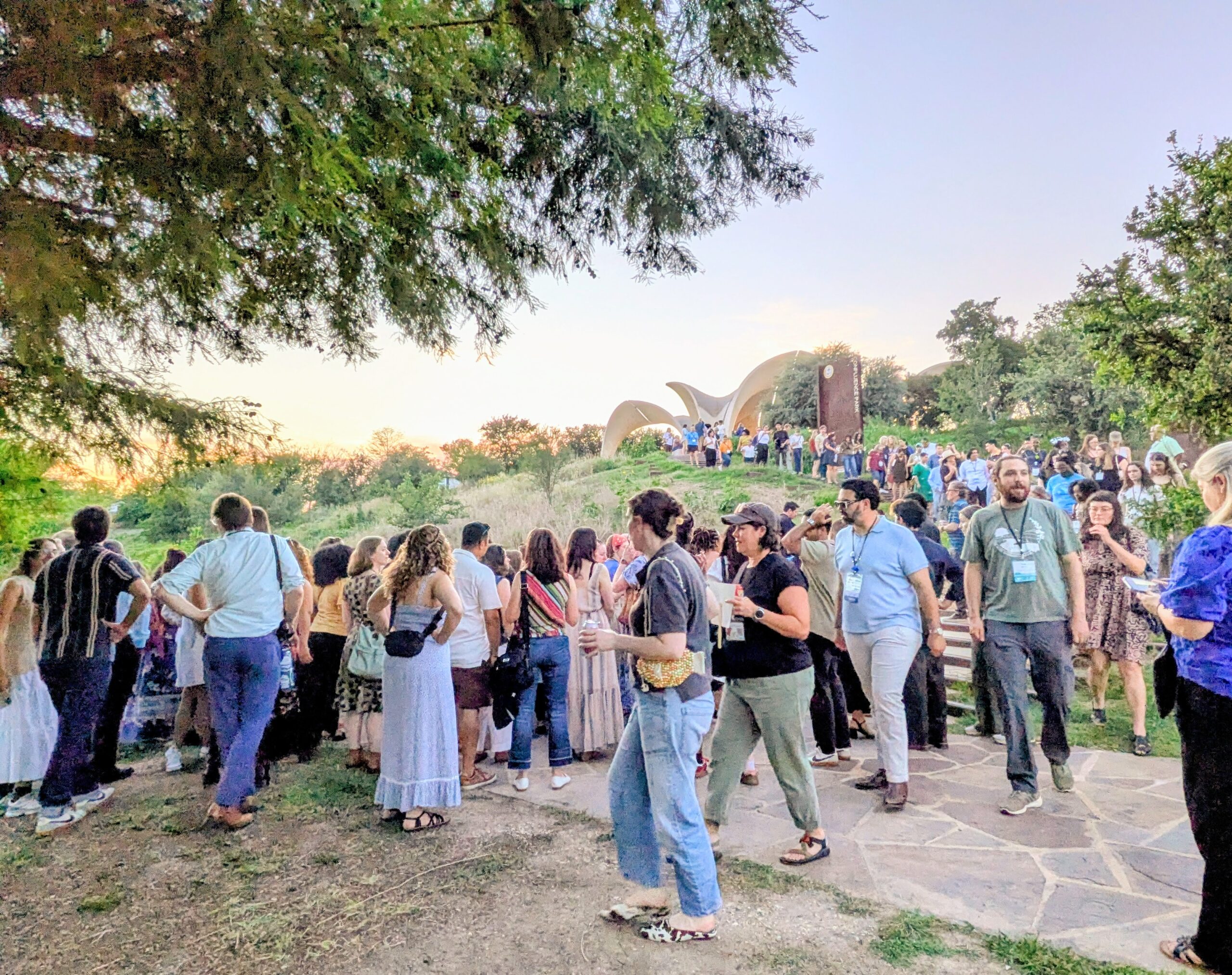
The Woonasquatucket River Watershed Council (WRWC) participated in River Rally 2026 in San Antonio, Texas, hosted by the River Network—a national gathering of water advocates, community organizations, and environmental justice leaders working to protect waterways and build climate-resilient communities.
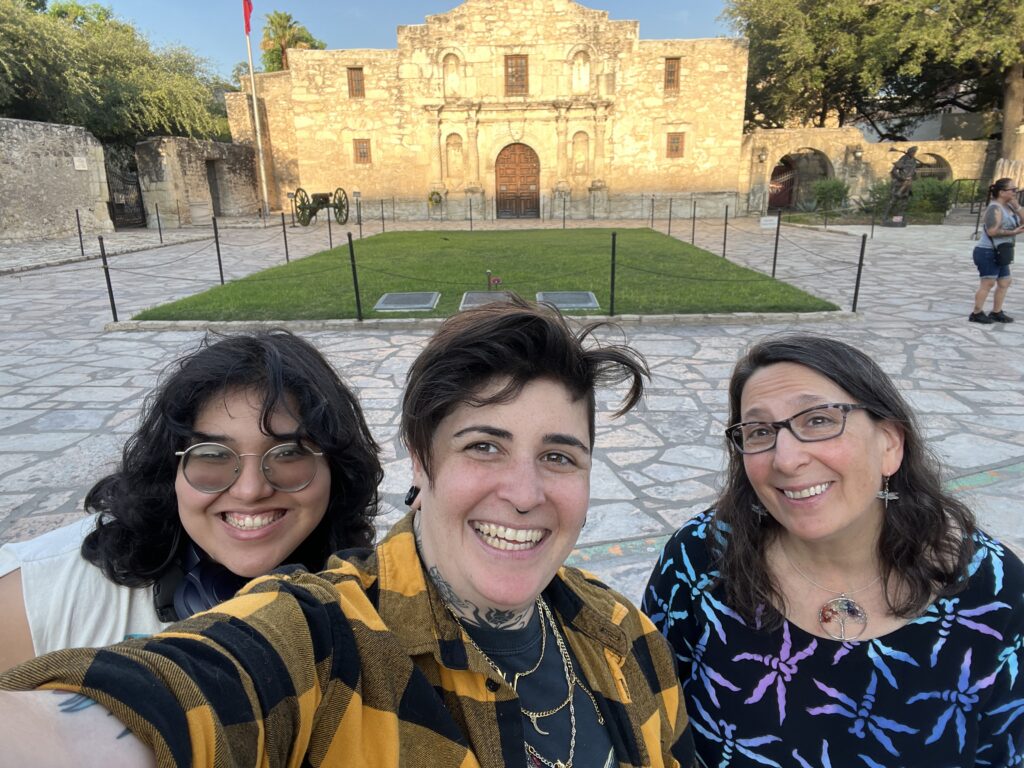
At River Rally, WRWC staff not only learned from national peers, but also contributed directly to the conversation. Layla, Nuestros Bosques Program Coordinator, and Adri, Resilience Hub Coordinator, presented on both initiatives, sharing WRWC’s community-based work in urban forestry, environmental education, and neighborhood resilience. Their presentation highlighted local strategies from Providence while connecting them to broader national movements for equity-centered climate action.
About River Network
Since 1988, River Network has worked to protect U.S. waters, expand diversity in the environmental movement, and support communities in advocating for their rivers. The organization strengthens local and national partners by providing training, capacity-building, and tools to improve waterways, advance climate resilience, and ensure equitable access to safe drinking water.
As a backbone organization for the national water advocacy field, River Network plays a key role in advancing equity, strengthening organizational capacity, and elevating inclusive, community-driven approaches to water protection.
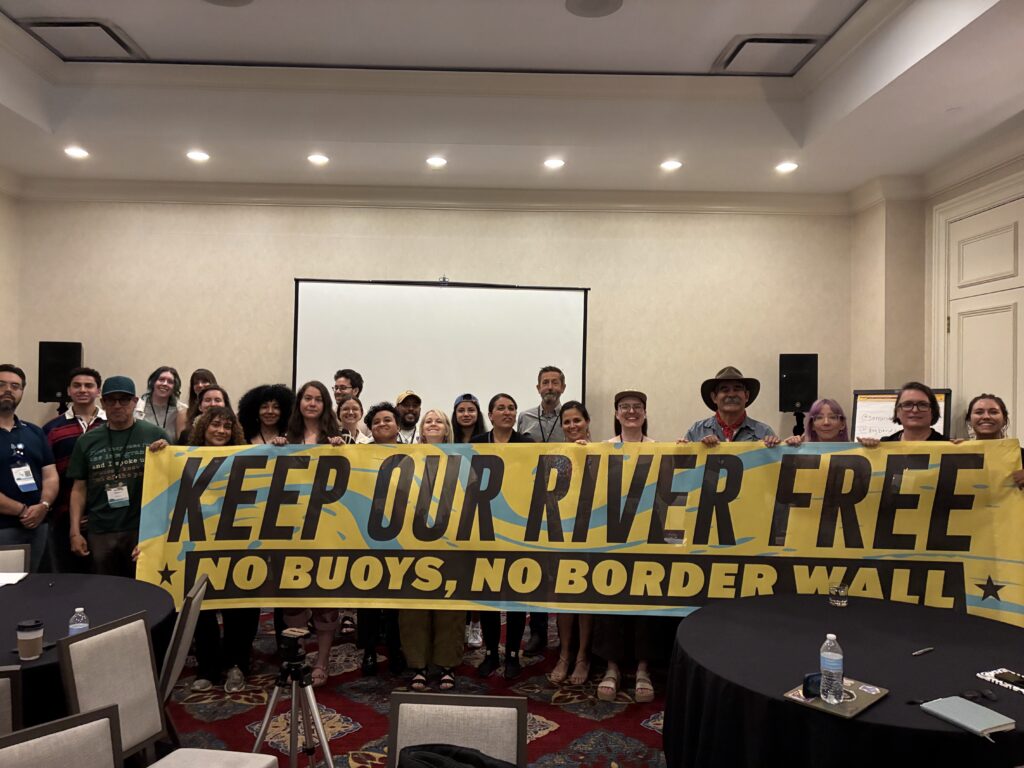
Indigenous Leadership and River Justice
The conference opened with the Ah Manam Spiritual Group of the Coahuiltecan community, who shared the original name of the San Antonio River: Yanaguana, grounding the gathering in Indigenous history and presence.
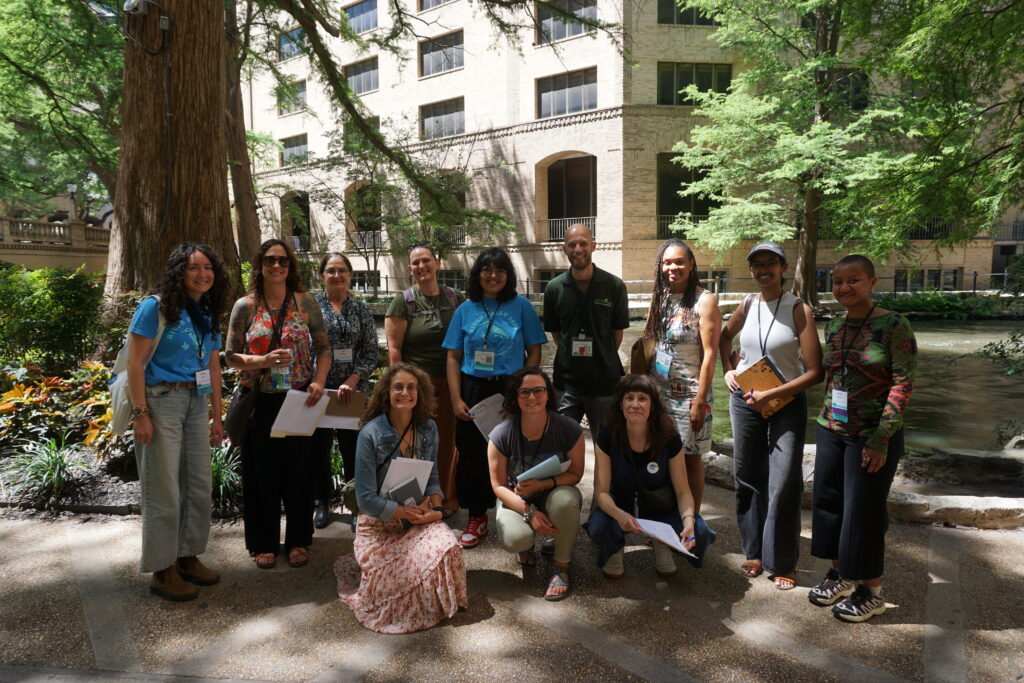
Field experiences and panels throughout the week centered Indigenous knowledge, including a “Star Walk” with members of the Payaya (Pakahua) Nation. Participants learned how the river’s path aligns with constellations, how limestone geology stabilizes its flow, and how Indigenous communities used traditional ecological knowledge—such as acequia systems—to sustain life despite colonial disruption and erasure.
Discussions also addressed sacred sites threatened by development, emphasizing the need for organizations to act as true partners and accomplices, ensuring Indigenous communities have real decision-making power in land and water stewardship.
Water Funding, Policy, and Communication
WRWC staff joined national panels on water funding featuring the Texas Water Foundation, National Wildlife Federation, Bayou City Waterkeeper, and Environmental Defense Fund. A major takeaway was the scale of recent investment in Texas water infrastructure, including $20 billion in funding through Proposition 4.
A media training session with Bold Bison Communications strengthened staff skills in storytelling, interview preparation, and translating technical environmental work into accessible public messaging—an essential tool for advancing advocacy and community engagement.
Indigenous Knowledge, Culture, and “Resilience Forward”
Sessions throughout the week highlighted Indigenous-led environmental knowledge, language revitalization, and cultural relationships to land and water. Topics included Native American sign language, regional language histories, and the concept of “colonial bewitchment,” describing how colonization has overwritten sacred places and practices.
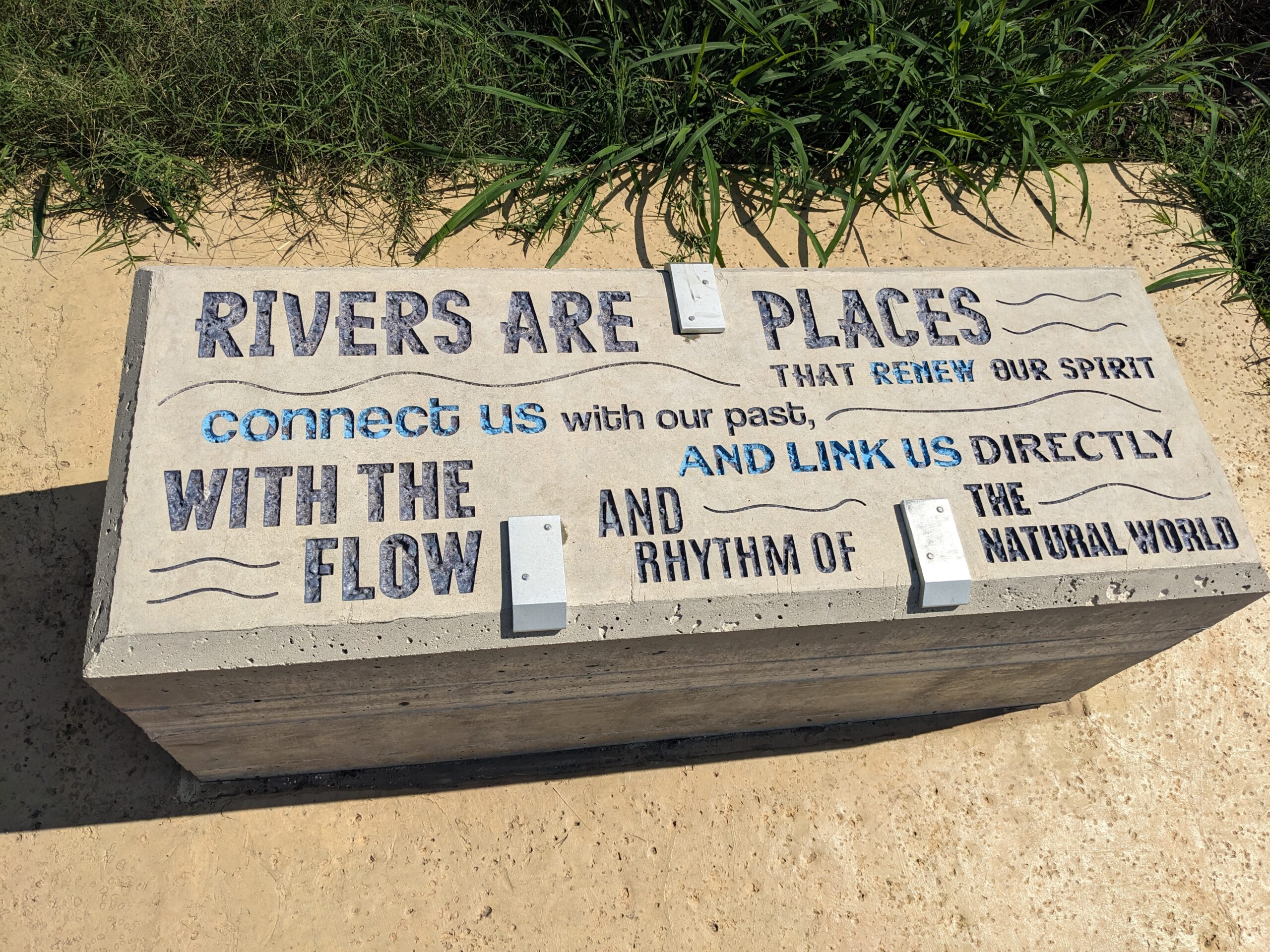
Across discussions, speakers emphasized that rivers are not resources, but living systems with relationships and rights. Additional sessions highlighted Indigenous-led water protections in the Gulf South, including the Houma Nation, where climate change, extraction industries, and displacement continue to reshape coastal life.
A consistent theme emerged: climate resilience is relational. It requires restoring connections between people, place, and culture. Rather than simply “bouncing back,” communities are working toward bouncing forward—building more just and interconnected systems.
Community-Based Solutions and National Learning
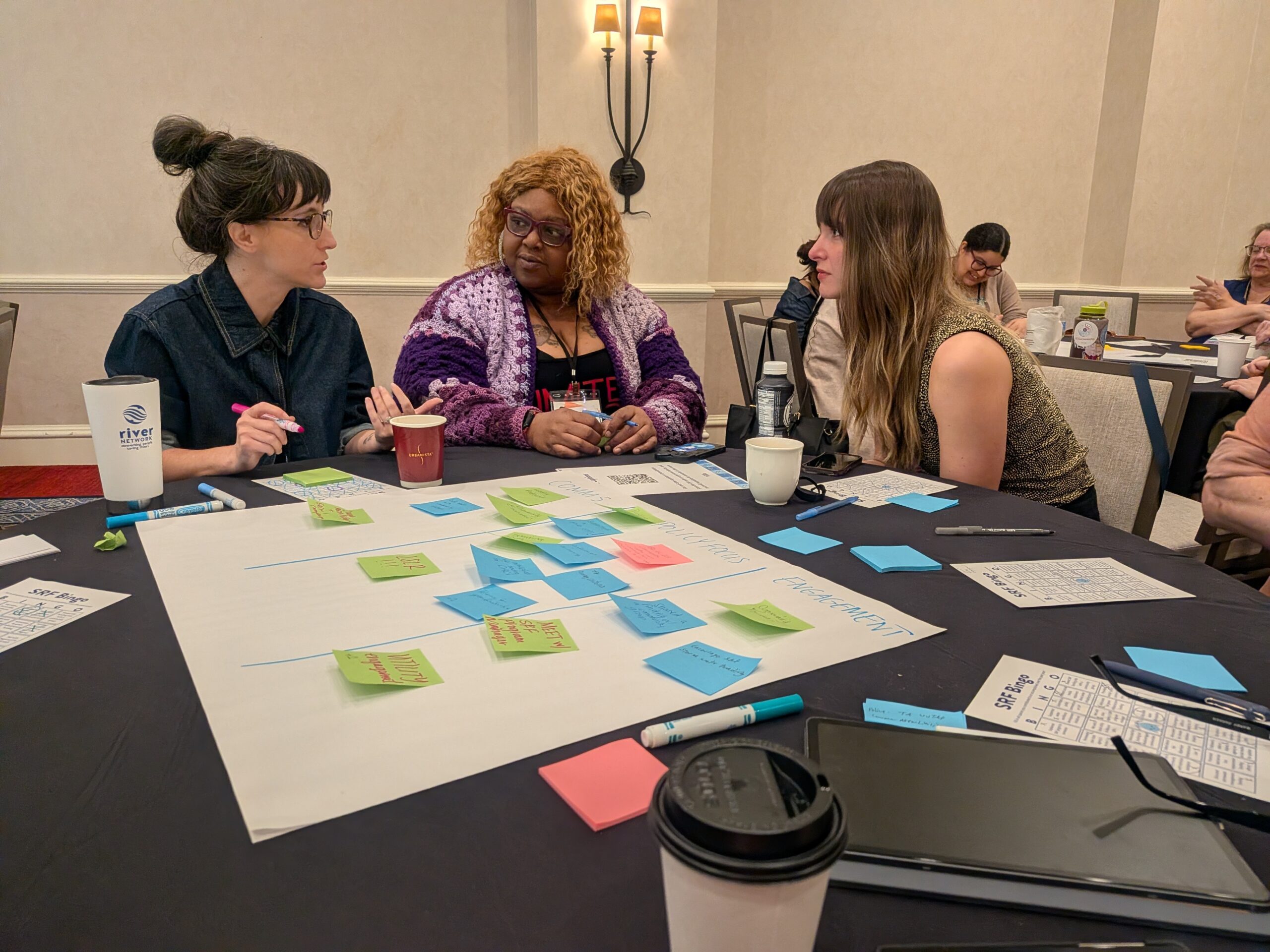
Other sessions showcased watershed and environmental justice work across the country, including urban river restoration, tree equity programs, brownfield redevelopment, and efforts to include unhoused communities in environmental planning.
These examples reinforced a shared lesson across the conference: lasting environmental solutions are rooted in community leadership, equity, and relationships—not just infrastructure.
Bringing Lessons Home
Key themes that will continue to inform our work along the Woonasquatucket River include:
- Centering Indigenous knowledge in watershed and climate planning
- Advancing equitable, community-led resilience strategies
- Strengthening storytelling and public communication for advocacy
- Treating rivers as living systems tied to culture and history
- Building inclusive, cross-sector partnerships for long-term impact
For WRWC, River Rally reaffirmed a core truth shared across the national movement: protecting water means protecting relationships.