The 2026 Water Quality Monitoring season is officially underway along the Woonasquatucket River, and once again we are grateful for the volunteers who make this work possible.
Each spring through fall, the Woonasquatucket River Watershed Council (WRWC) leads a volunteer-based monitoring program that tracks the health of the river from May through October. This work gives us a clearer picture of how the river is changing over time, especially as we see ongoing impacts from climate change, stormwater runoff, and land use.
This season, we are monitoring at five active sites along the river. These include Rising Sun Mills Dam in Providence, Greystone Mill Pond Dam in Johnston and North Providence, Waterplace Park in Providence, and Whipple Field in Smithfield. We had planned for six monitoring locations this year, but our Whipple Field site is currently without a volunteer. Longtime volunteer Betty had to step away from monitoring there, and we are actively looking for someone new to help fill that gap.
In total, we have nine dedicated volunteers supporting this season’s effort, including seven returning volunteers and two new participants joining for the first time. Their consistency and commitment are what make this program work year after year.
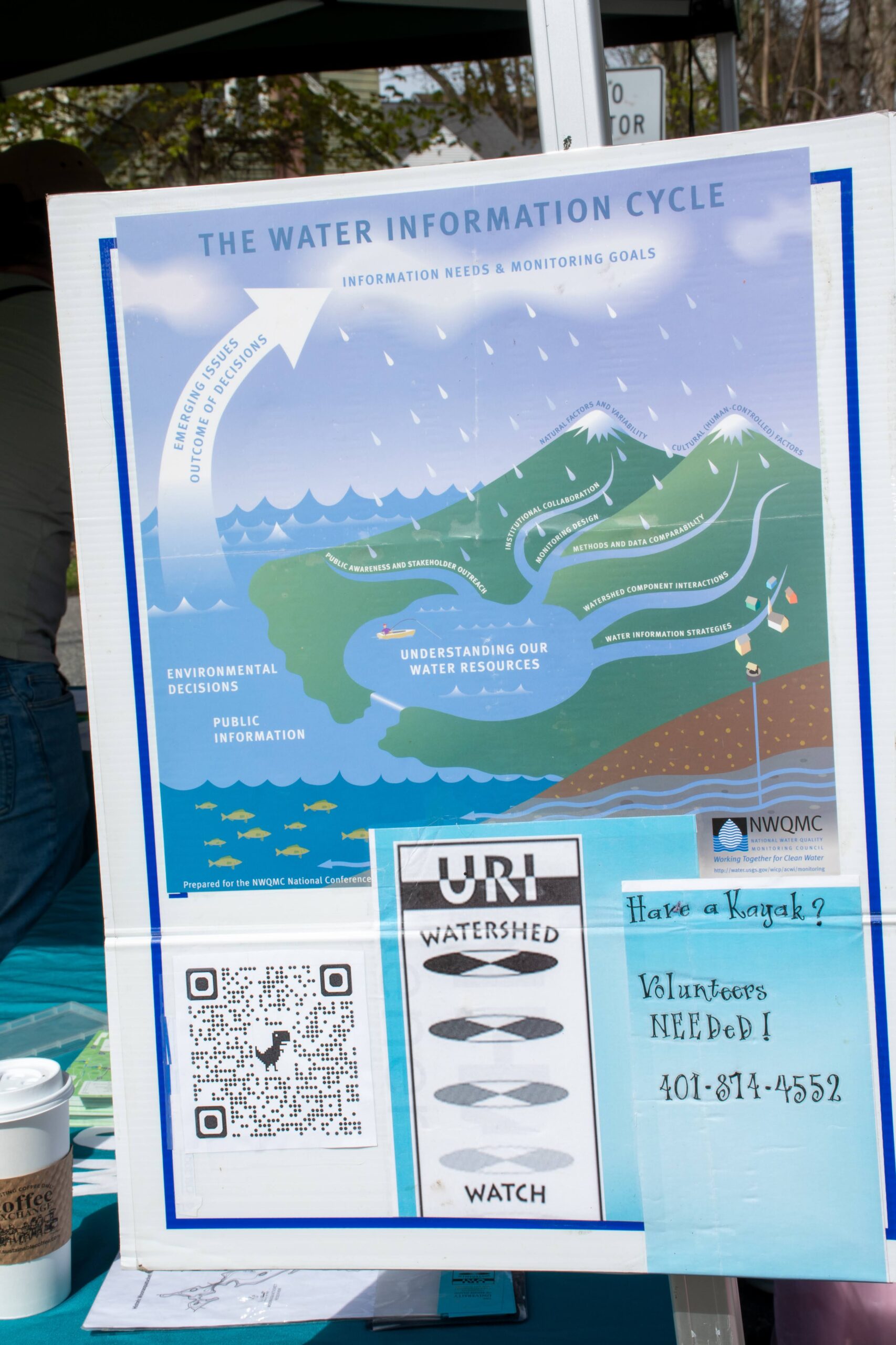
Volunteers go out on a regular schedule throughout the season, with biweekly and monthly monitoring depending on the site and parameter. They measure key indicators like water temperature and dissolved oxygen in the field. They also collect water samples that are brought to the University of Rhode Island Watershed Watch laboratory for further analysis.
In addition to temperature and dissolved oxygen, the program tracks a broader set of water quality indicators including nutrients, bacteria, and salinity. Together, these measurements help us better understand pollution levels, ecosystem health, and the effects of changing climate conditions on the river.
All collected data is submitted to URI Watershed Watch, which compiles and publishes results on their public platform. We want to give a big shoutout to their team for running this program, providing training and supplies, and helping ensure that community-collected data is reliable, accessible, and useful for long-term watershed management.
This partnership with URI Watershed Watch and the support of our volunteers allows us to keep building a long-term dataset that informs restoration work, guides decision-making, and helps ensure the river remains a safe and vibrant place for people and wildlife.
At its core, this program is about connection. Connection to the river, to the science behind it, and to the community that cares for it. Whether volunteers are returning for another season or stepping into the work for the first time, their contributions are essential to understanding and protecting the Woonasquatucket River.
If you are interested in joining the Water Quality Monitoring team, especially to help cover Whipple Field, we would love to hear from you. No prior experience is needed, just curiosity, commitment, and a willingness to spend time on the river.
Together, we are continuing to build a clearer, more complete picture of the Woonasquatucket and what it needs to thrive.