
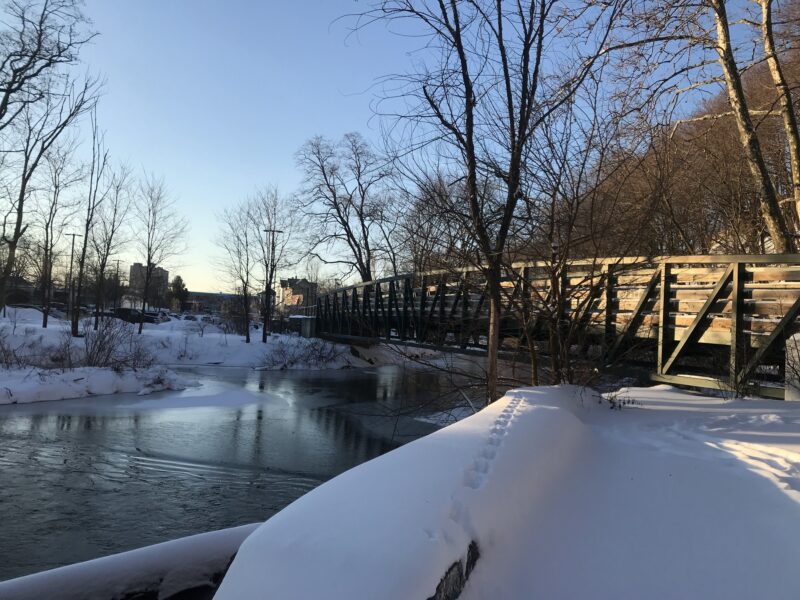
Winter Stewardship Practices for Plants, Greenways, and People
By Renee Stoops, Greenway Operations Manager
Winter is part of nature’s essential rhythm—a season of rest, quiet, and gathering strength for the explosive growth of spring. Deciduous trees drop their leaves, evergreens nearly stop growing, and perennials tuck themselves safely underground. Even we humans feel the shift: after a snowfall, when sound is muffled and movement slows, there’s space to breathe and think. Winter offers a chance to pause, reset, and prepare. Seeds and roots rest under insulating soil, storing the energy they’ll need to burst forth again. While winter can be challenging without preparation, at its best it’s a peaceful reminder of our own potential.
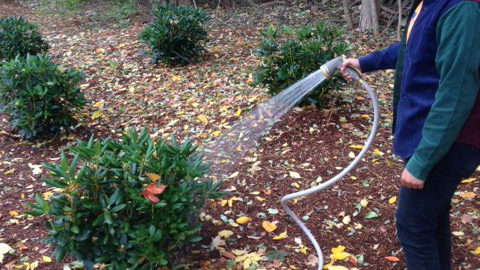
Watering Plants Before Winter
Depending on how rainy fall has been, new, sensitive, or evergreen plants should be well-watered heading into winter. Once the ground freezes, plants that were already drought-stressed can dry out beyond recovery. For example, the River Rangers will continue watering our new Manton restoration plantings in Johnston through December. Larger evergreen hollies will also get a protective application of WiltPruf to prevent winter wind desiccation.
Once plants are fully established, this isn’t necessary—but ensuring garden plantings aren’t drought-stressed before winter is always a good practice. And if we get a warm day or two mid-winter with very little snow or rain, it’s okay to water then, too.
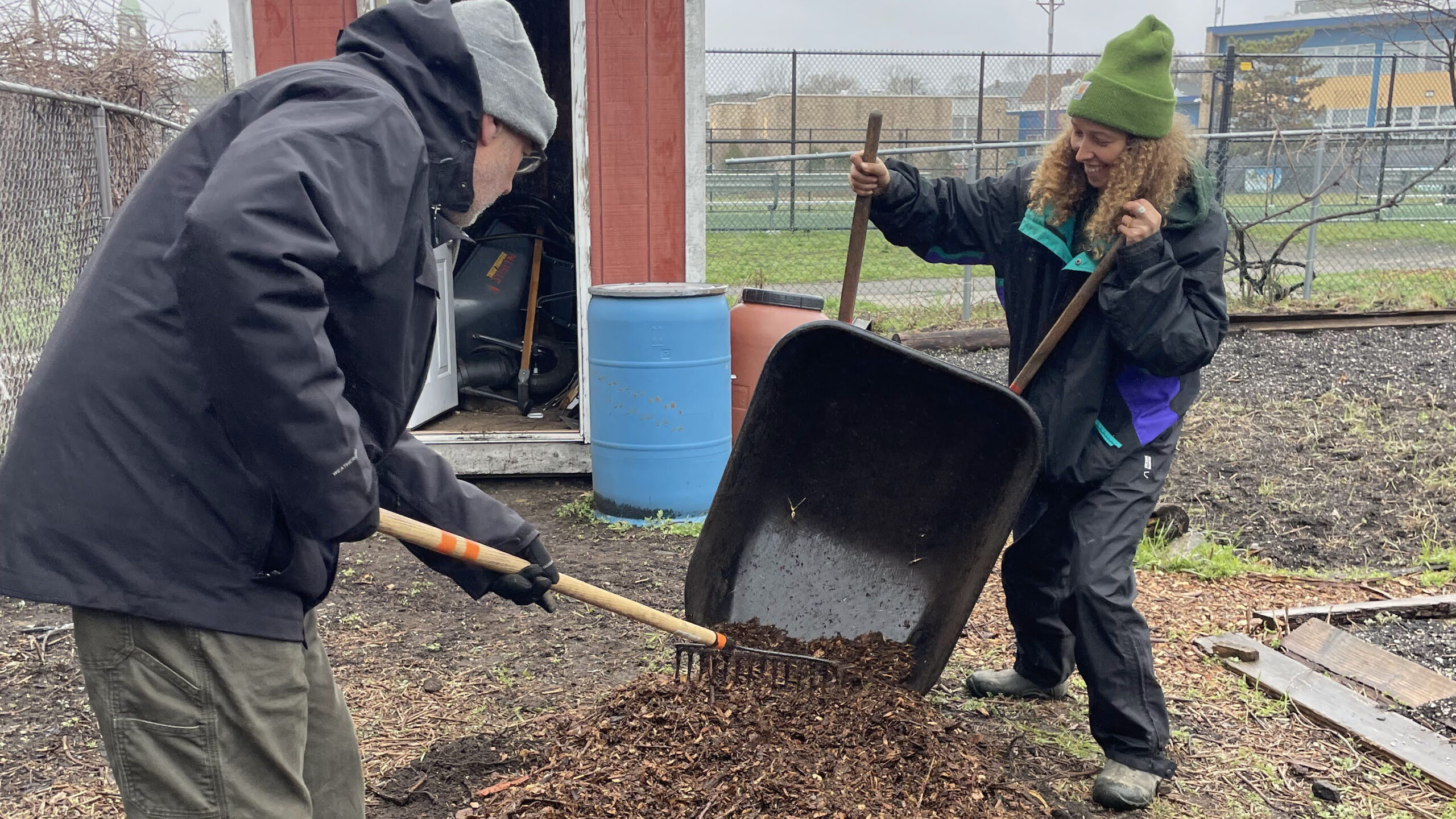
Mulching Garden and Pollinator Beds
Formal garden beds and new pollinator plantings greatly benefit from an insulating winter mulch layer. In warmer seasons mulch suppresses weeds, but in winter it acts as a blanket. All new pollinator beds we install are mulched.
In wilder riparian areas of the Greenway, we don’t remove fallen leaves—they’re blown into informal tree and shrub zones where beneficial insects overwinter.
When mulching, it’s important not to bury tree trunk flares. For new perennials, heavy leaf litter can be too much their first winter because tender roots are more prone to rot.
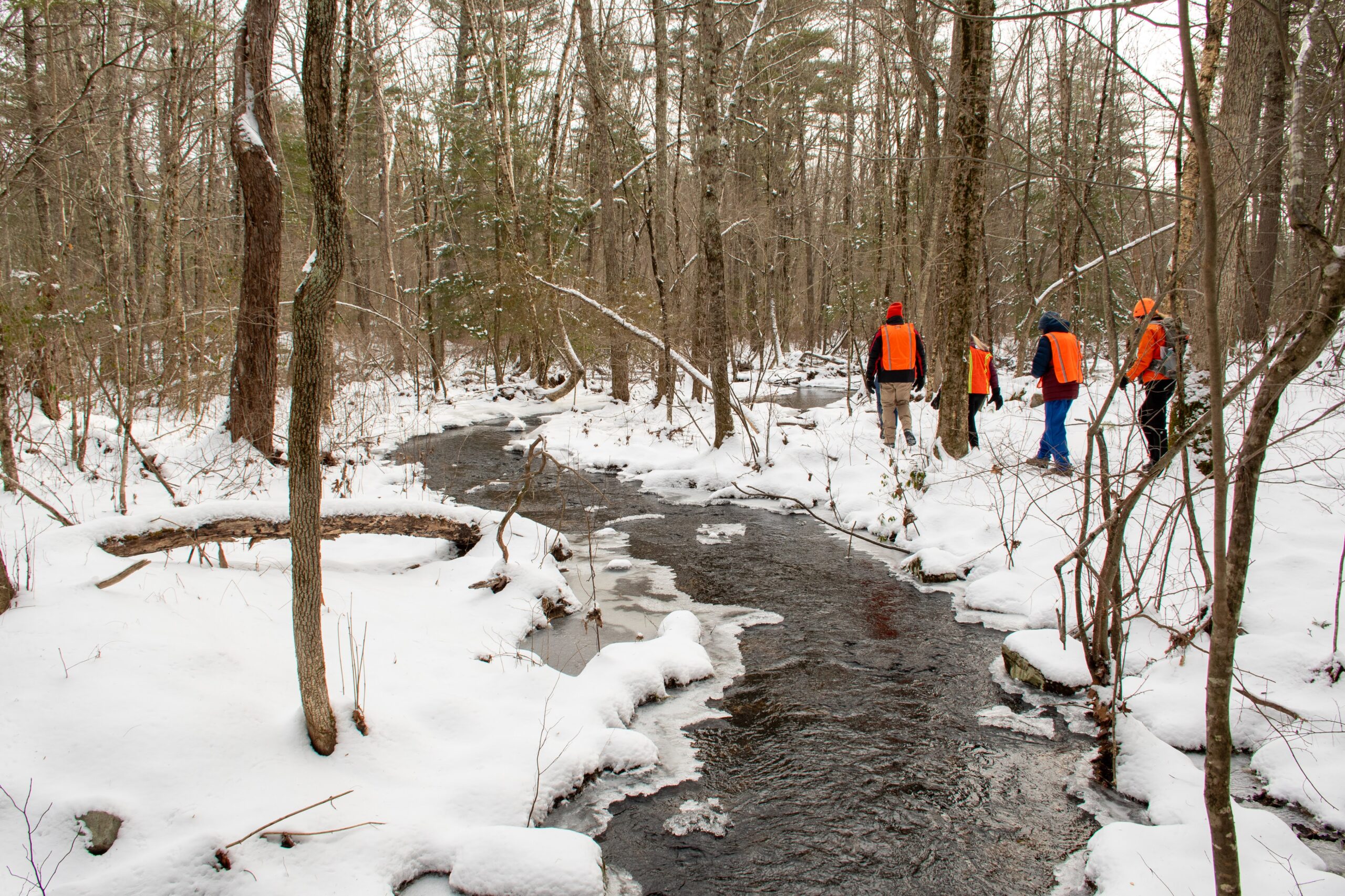
Winter Recreation and De-Icing
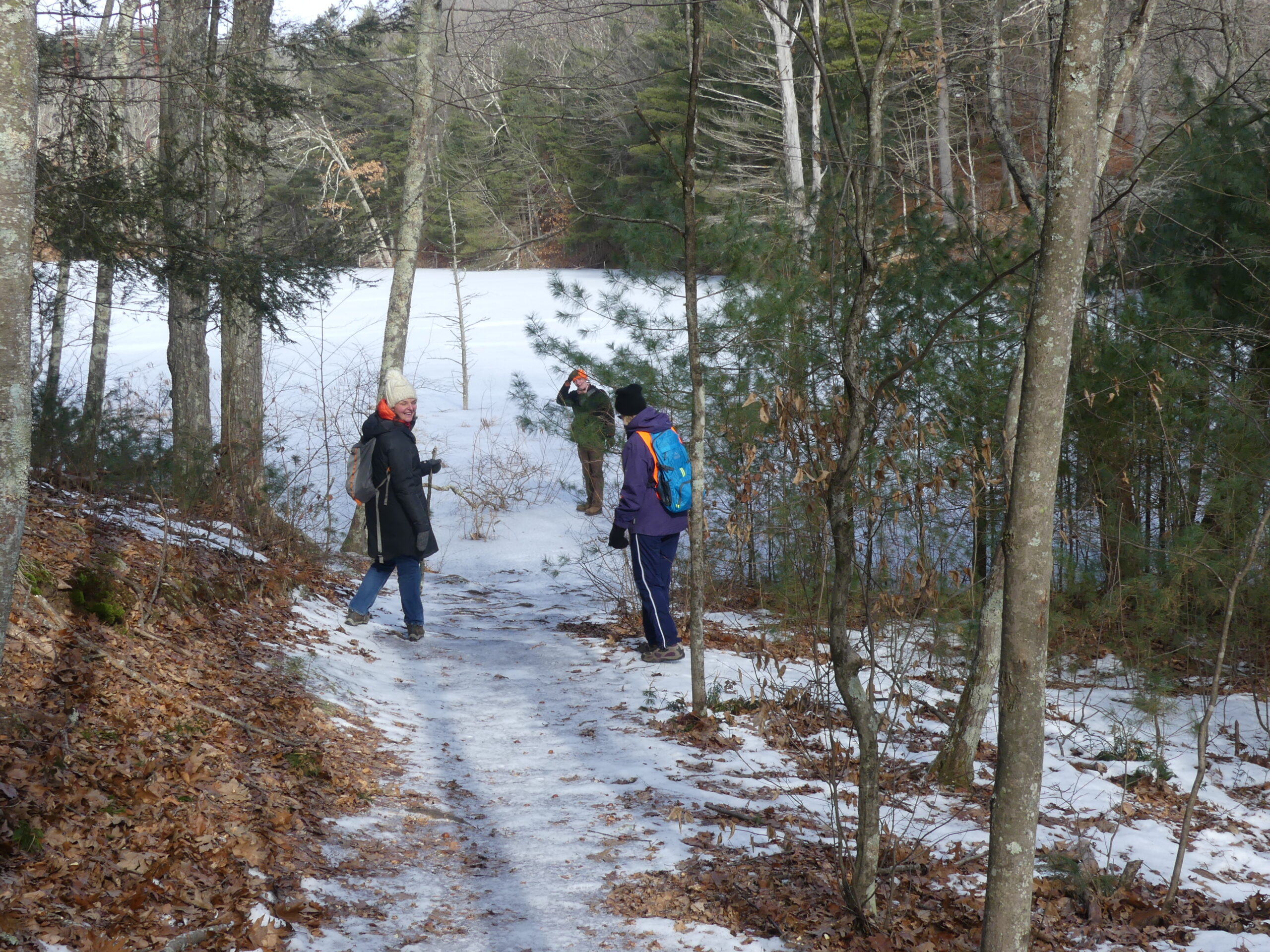
We don’t have the capacity to plow or de-ice our seven-plus miles of Greenway—so winter becomes a time for snowshoes, cross-country skis, Yaktrax, and new ways to explore.
We also avoid de-icing to protect the River. Salt applied directly above a waterway quickly washes into the River and threatens fish and aquatic life already rationing energy through winter.
Even sand, though helpful at home, becomes a pollutant when it washes into storm drains. Our green stormwater infrastructure helps trap that extra sediment, which we remove through regular maintenance.
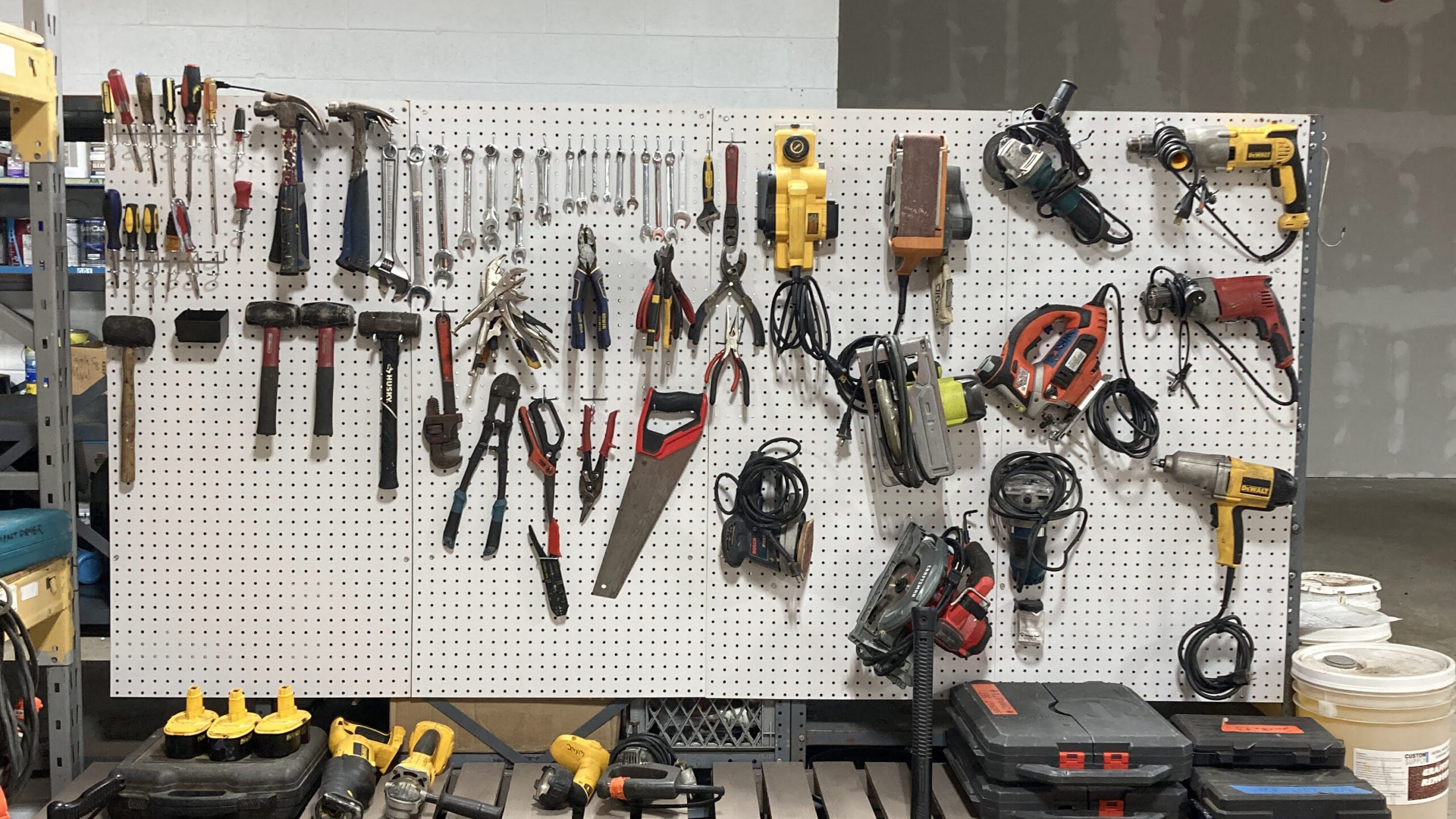
Winter Equipment Care and Storage
Winter is the ideal time to sharpen mower blades, repair power equipment, inventory tools, and catch up on vehicle maintenance. Once spring arrives, we’re racing the growing season—so everything needs to be in top shape.
Equipment vulnerable to freezing should be brought indoors or fully winterized. While we avoid most pesticides, we do use paint and anti-graffiti products that must also be stored above freezing.
And don’t forget the mice! Grass seed, fertilizers, and soil products must be stored in rodent-proof containers to prevent winter damage.
Removing Invasive Woody Plants
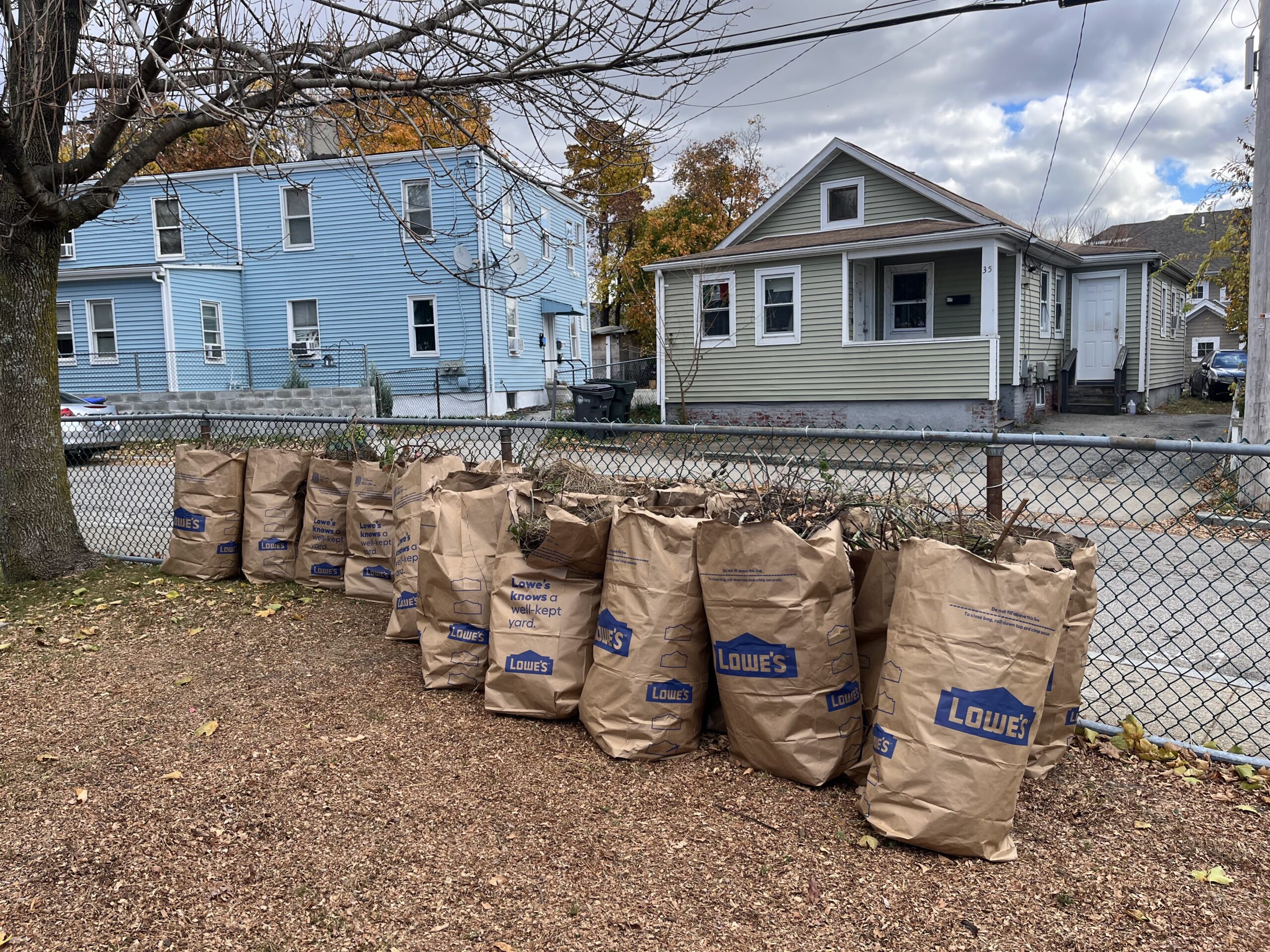
With leaves gone, it’s much easier to spot invasive shrubs, vines, and trees—Burning Bush with its winged bark, Tree-of-Heaven with its shield-shaped scars, and Callery Pear with its thorns. Even with some snow, winter is still a workable time to remove them.
While the most effective time to cut perennial invasives is late summer—when above-ground plant energy is highest—winter cutting still helps set them back. Repeated seasonal cutting over time leads to long-term decline.
Winter Trash Sweeps
Unfortunately, winter does not slow litter. We continue weekly trash sweeps to empty cans and collect debris along the Greenway.
We dream of a day when everyone understands the environmental impact of litter and chooses to reduce packaging, carry trash until a bin is available, and help keep shared spaces clean.

Power Line Clearing on the Greenway
Much of the Greenway runs beneath RI Energy power lines. Typically, power line corridors are cleared every five years, but schedules sometimes stretch. After the holidays, RI Energy will begin clearing the high-voltage section from the Hillside gateway to Glenbridge Ave.
There will be noticeable but temporary impacts as many large trees—some invasive, some not—must be removed. This winter, we’ll begin planning post-clearance restoration that follows RI Energy’s specifications for replacement plant sizes and growth habits.