
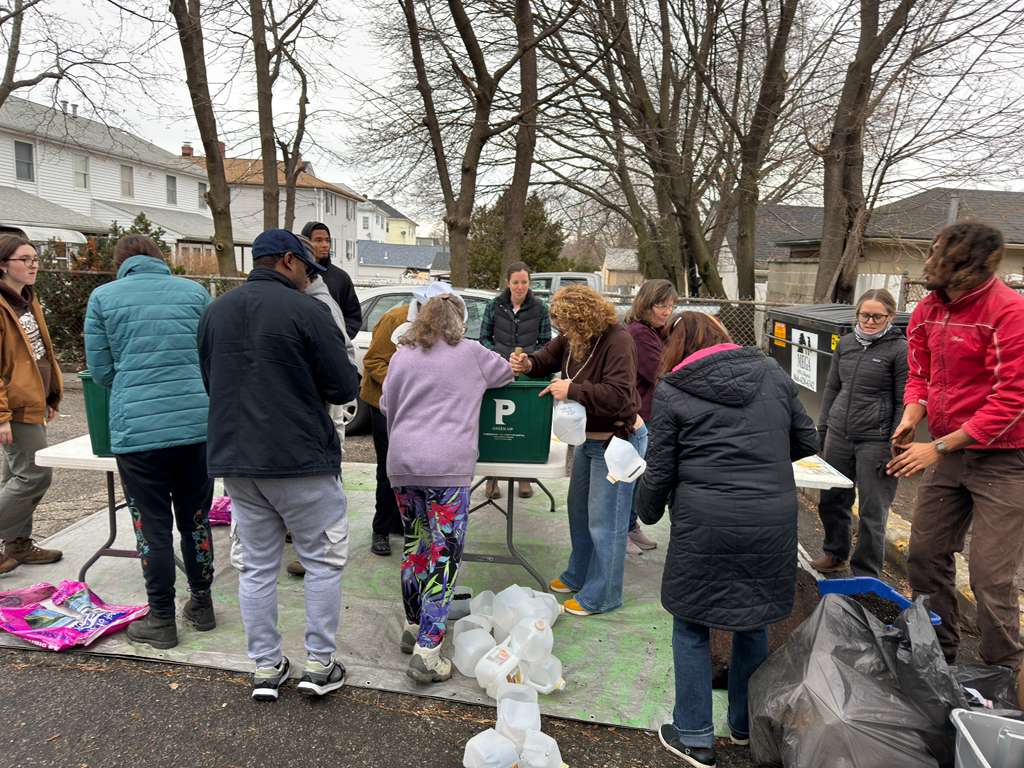
On January 10, we gathered at the Mt. Pleasant Library for a Winter Seed Sowing Workshop that brought neighbors together to get their hands dirty and think ahead to spring. With 12 participants, including one young helper, the workshop was small, hands on, and full of great energy.
One of our favorite planting methods is winter sowing using recycled milk jugs. During the workshop, community members planted native seeds like goldenrod, asters, little bluestem, and tall thimbleweed into clear jugs that act like mini greenhouses. The jugs stay outside all winter, exposed to moisture and cold. This natural process, called cold stratification, tells seeds when it is time to break dormancy. When temperatures warm in the spring, the seeds get to work.
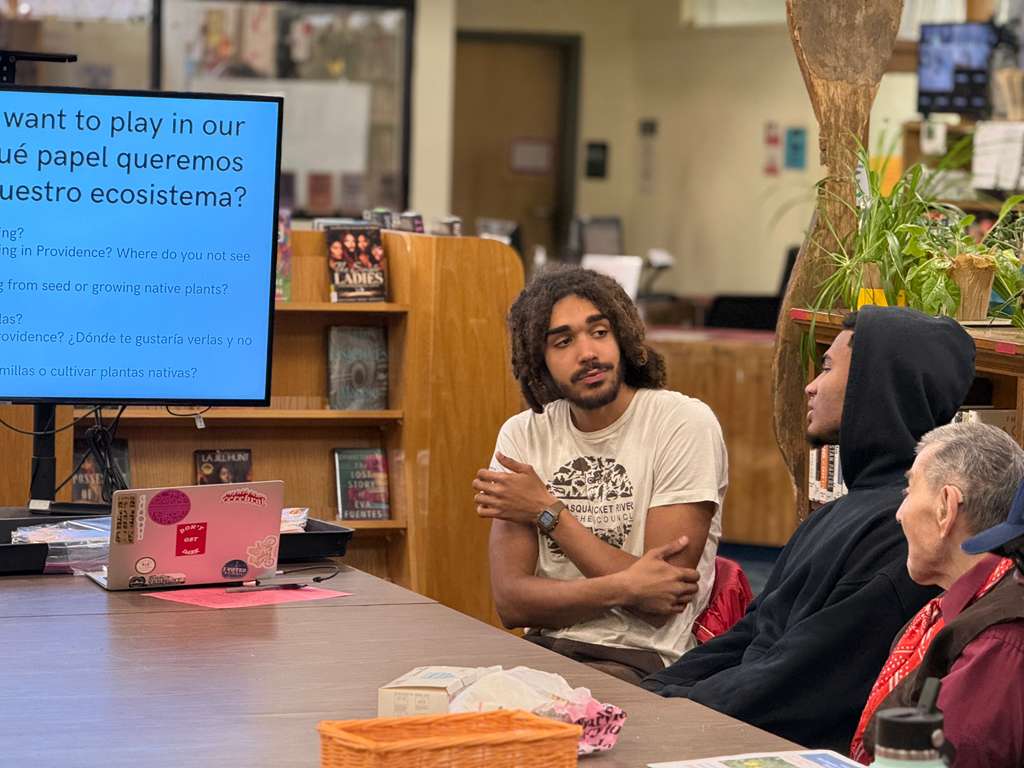
Each participant went home with six planted jugs. The goal is for everyone to return in the spring with at least three of those jugs so the plants can be installed along the Greenway and in tree pits. It is a simple but powerful way to close the loop between community learning and on the ground restoration.

The Mt. Pleasant Library was a great host, with an outdoor space in the parking lot that worked perfectly for this kind of hands on activity. If we replicate this workshop in the future, being outside will definitely be key. A big thank you to Jeremy Ferris and the library team for their support and enthusiasm. We are excited to keep building this partnership through the GRINS and CLPVD seed library program and future community events.

We also want to thank Cynthia Mulvey, a WRWC member who generously brought 100 packs of donated seeds. Participants were able to pick out seeds to take home, and the rest stayed at the Mt. Pleasant Library for community use. And a special shout out to Poe Johnson and Native Plant Trust for their continued support of native plant education and stewardship.
Winter seed sowing reminds us that even in the coldest months, there is important work happening beneath the surface. We are grateful to everyone who joined us and helped plant the seeds for a greener, healthier Woonasquatucket River corridor this spring.